Start Here When Comfort Fails
Your home is too hot, too cold, or the system is making a strange noise. Here is the plan.
1. First, check the thermostat. Make sure it is on, set correctly, and has working batteries. 2. Next, look at the breaker panel and the air filter. A tripped breaker or a clogged filter causes many problems. 3. Then, note what you see and hear. Write down any noises, smells, ice, or water. 4. Finally, request an estimate from a provider.
Why hurry? Timing changes the outcome. A small cooling fault on a hot, humid day can grow quickly. A struggling system works harder, and extra strain can turn a small repair into a bigger one. In winter, a furnace that fails during a deep frost can leave pipes and rooms at risk.
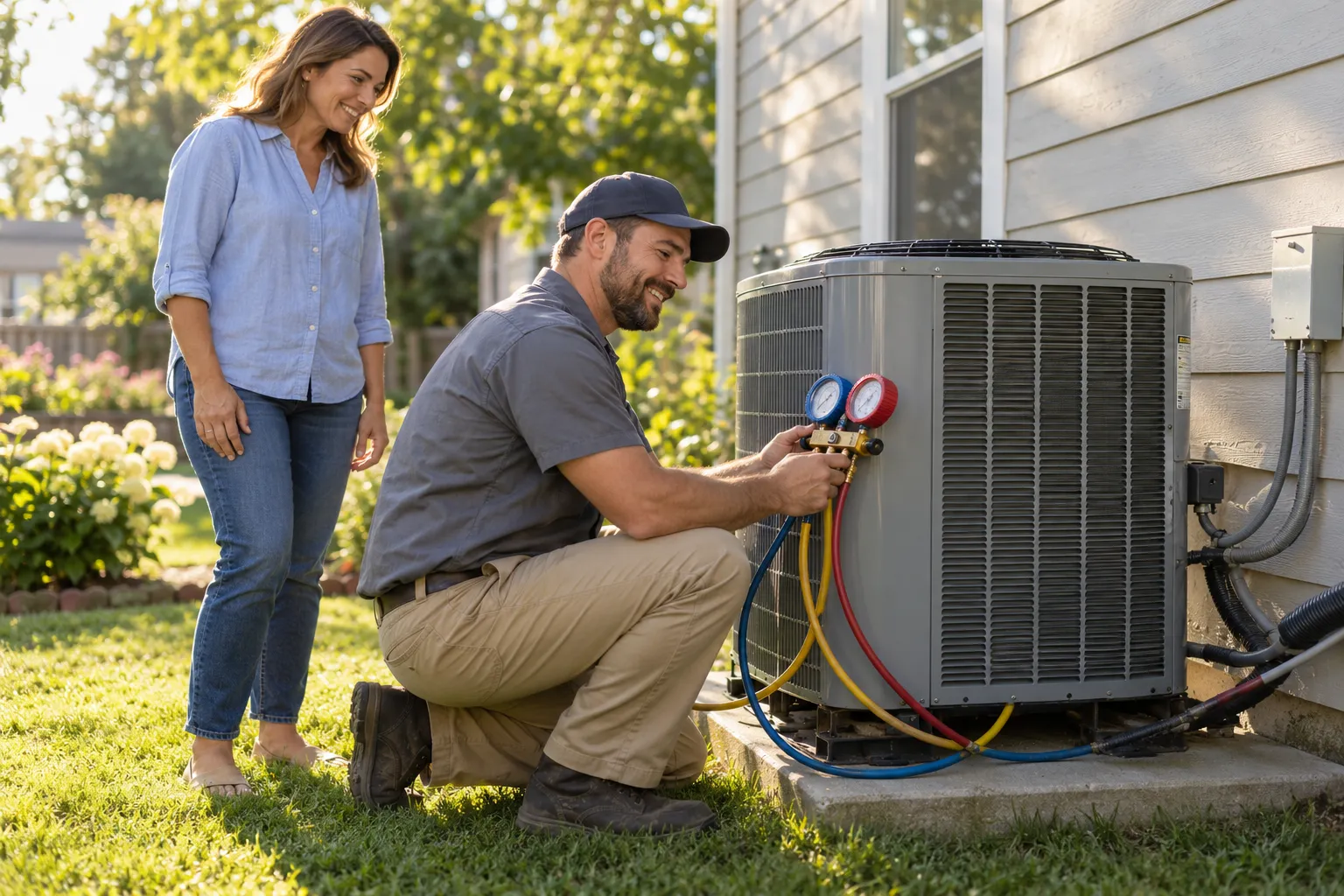
Districtssequence Heating & Air is a referral service. We do not do the repair. We connect you with independent providers in our network who handle emergency AC repair, system replacement, and furnace work.
Prefer to talk? Request a callback to check provider availability. Hours vary by provider.
How It Works
The referral process in four steps
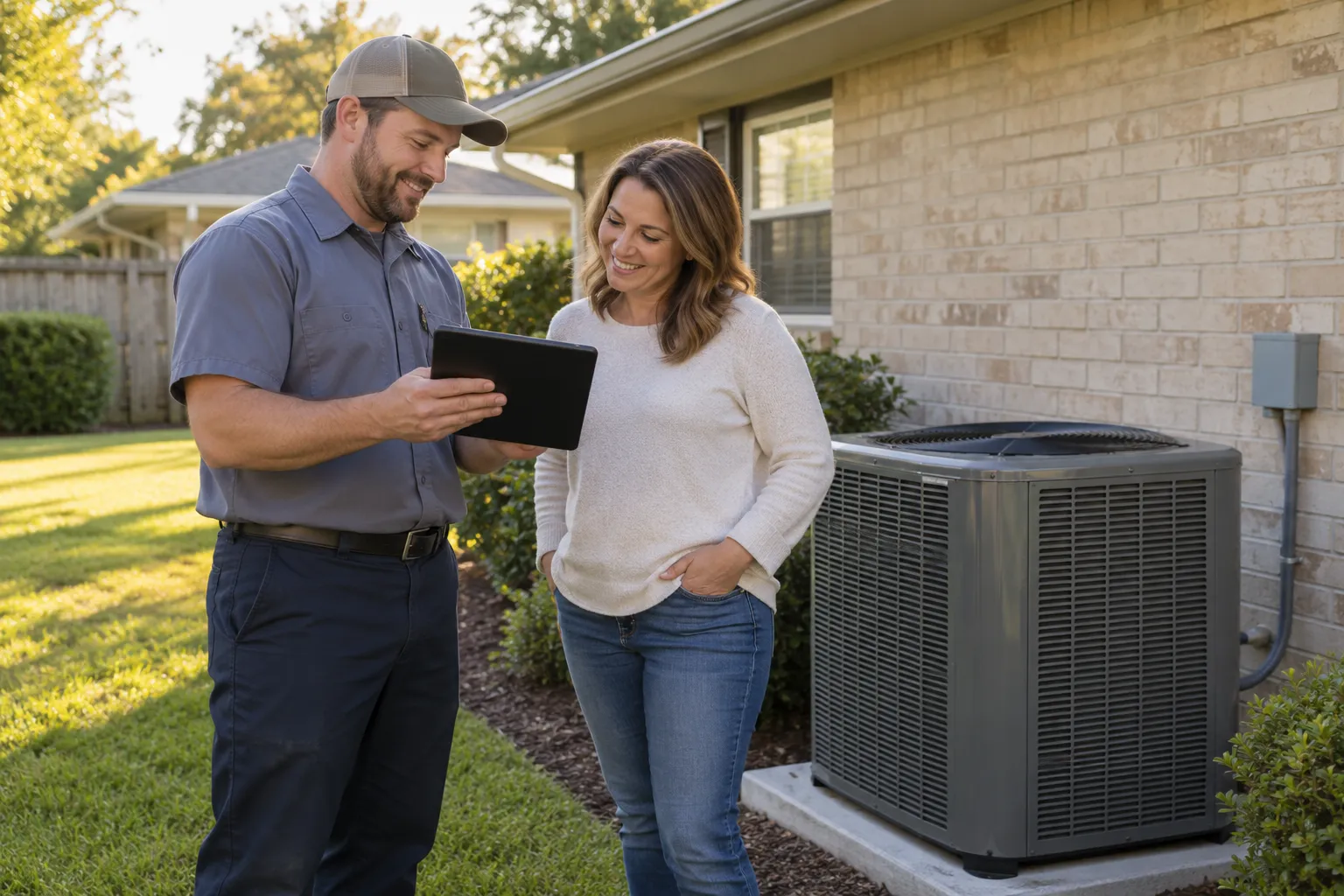
1. You describe the problem. Use the request form. Say what the system is doing and when it started. 2. We pass it along. Your request goes to independent HVAC providers in our network that serve the Dayton area. 3. A provider follows up. They may ask questions, then offer to visit and give an estimate. 4. You decide. There is no obligation. Compare written quotes and pick what fits.
What Districtssequence Heating & Air is, and is not
- Districtssequence Heating & Air is a referral service.
- Providers are independent businesses.
- The provider does the work, sets the price, and writes the quote.
- Districtssequence Heating & Air does not do repairs or installs.
Why timing matters
Here is a rough timeline for a failed cooling system in summer:
- First hour: The house starts to warm up. Humidity rises.
- First day: Rooms feel sticky. Sleep gets hard. A system that kept running may be damaged further.
- Next few days: Moisture can build up. Musty smells may start.
A quick look from a provider can stop a small fault from growing. Many providers can respond quickly, but availability varies. Request a callback to check provider availability.
Serving Homes Across the Dayton area
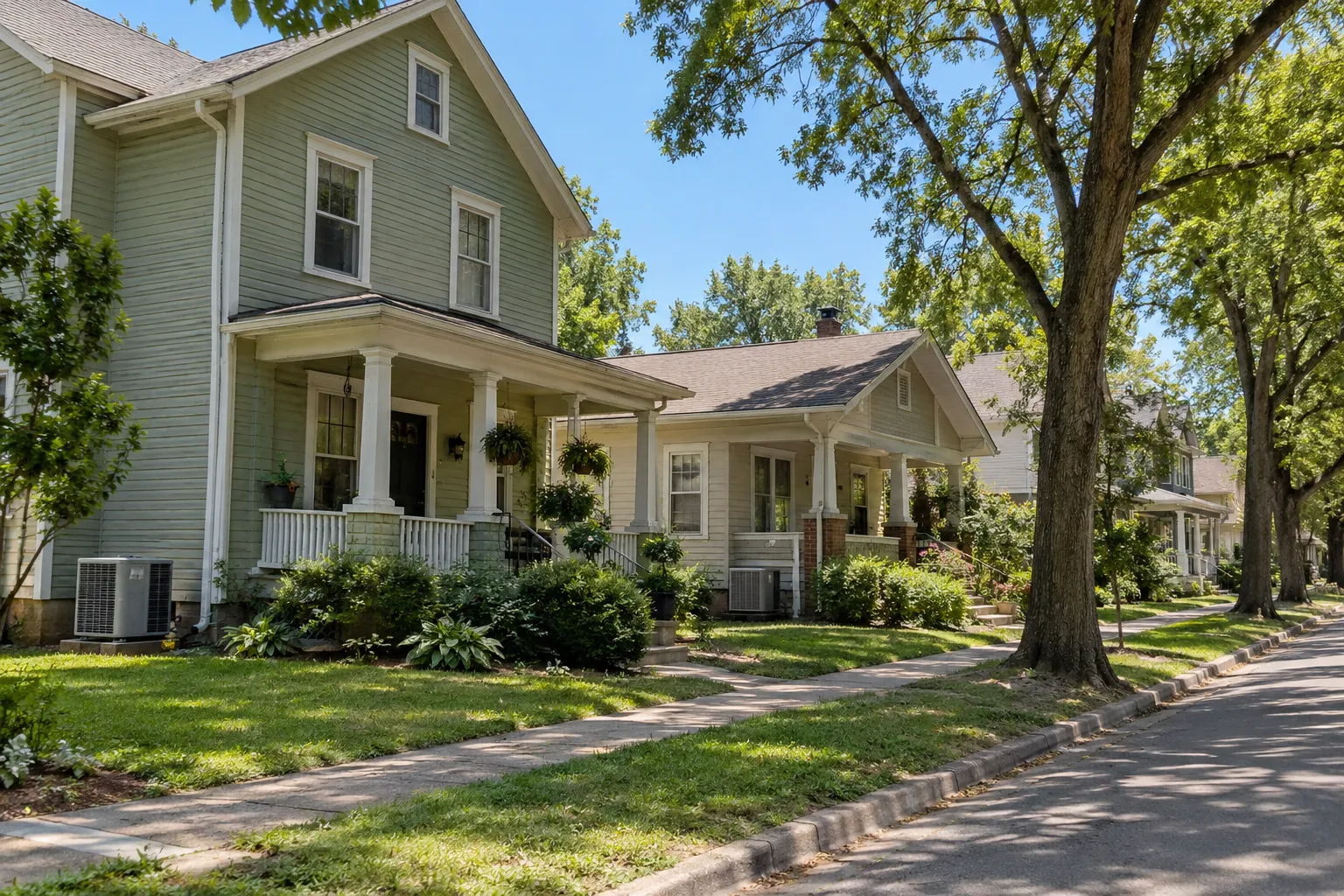
Providers in our network serve Dayton and nearby towns across the Dayton area. Homes here vary, and so do their heating and cooling needs.
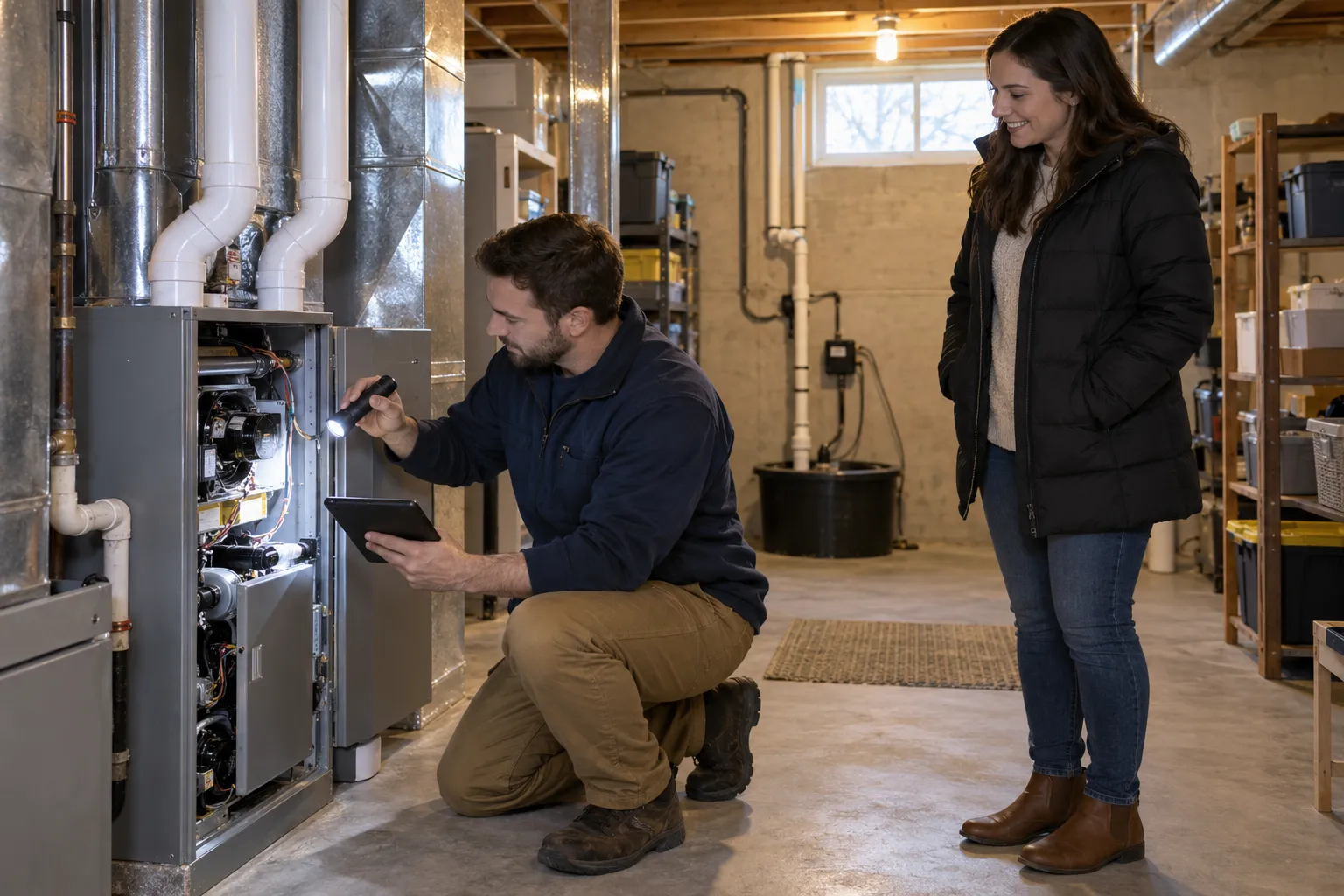
You may live in a frame house built many decades ago. You may have a bungalow or a ranch home. You may have a full basement with a sump pump. Each type can affect how a system is set up, where equipment sits, and how a provider plans the job.
Local weather matters too:
- Hot, humid summers push air conditioners hard for weeks.
- Severe thunderstorms and hail can damage outdoor units or cause power surges.
- Cold winters with deep frost test every furnace.
- Spring flooding can affect basement equipment.
Providers who work in this area know these conditions. Tell them your home type when you request an estimate.
Prefer to speak with someone? Request a callback to check which providers are available near you.
Homeowner Checklists for Every Season
Before you request an estimate
- Note your system's age if you know it.
- Write down the symptoms.
- Take a photo of any model label.
- Check the filter and the breaker.
Cost clarity: what drives the price
Prices vary by job. These are typical U.S. ranges only:
- Minor AC repairs often run from about $150 to $600.
- Larger repairs, such as a compressor or coil, can run well above $1,000.
- Furnace repairs commonly fall between $150 and $1,200.
- A full system replacement often runs from about $5,000 to $12,000 or more.
Size, brand, parts, access, and your home's layout all change the number.
Why a written quote matters
A written quote lists the work, the parts, and the total. It lets you compare providers side by side. Ask for one before work begins.
Repair or replace?
Consider replacement when the system is old, repairs keep coming, or bills keep rising. Ask the provider to explain both options in writing.
Storm and flood prep
After hail, thunderstorms, or spring flooding, do not run damaged equipment. Turn the power off and ask a provider to inspect it. Some policies may cover sudden damage. Check your policy. Providers can often help document damage for a claim.
Before winter
Have the furnace checked in the fall. Replace the filter. Keep vents clear.
Before summer
Clear leaves and debris from the outdoor unit. Test the AC early, before the first hot spell.
Request Your Estimate
Ready for the next step? Fill out the short request form. Tell us what the system is doing and where you are. A provider in our network can follow up with an estimate. There is no obligation.
You can also email contact@districtssequence.property, or request a callback to check provider availability.